Artificial Intelligence: Benefits and Ethical Risks
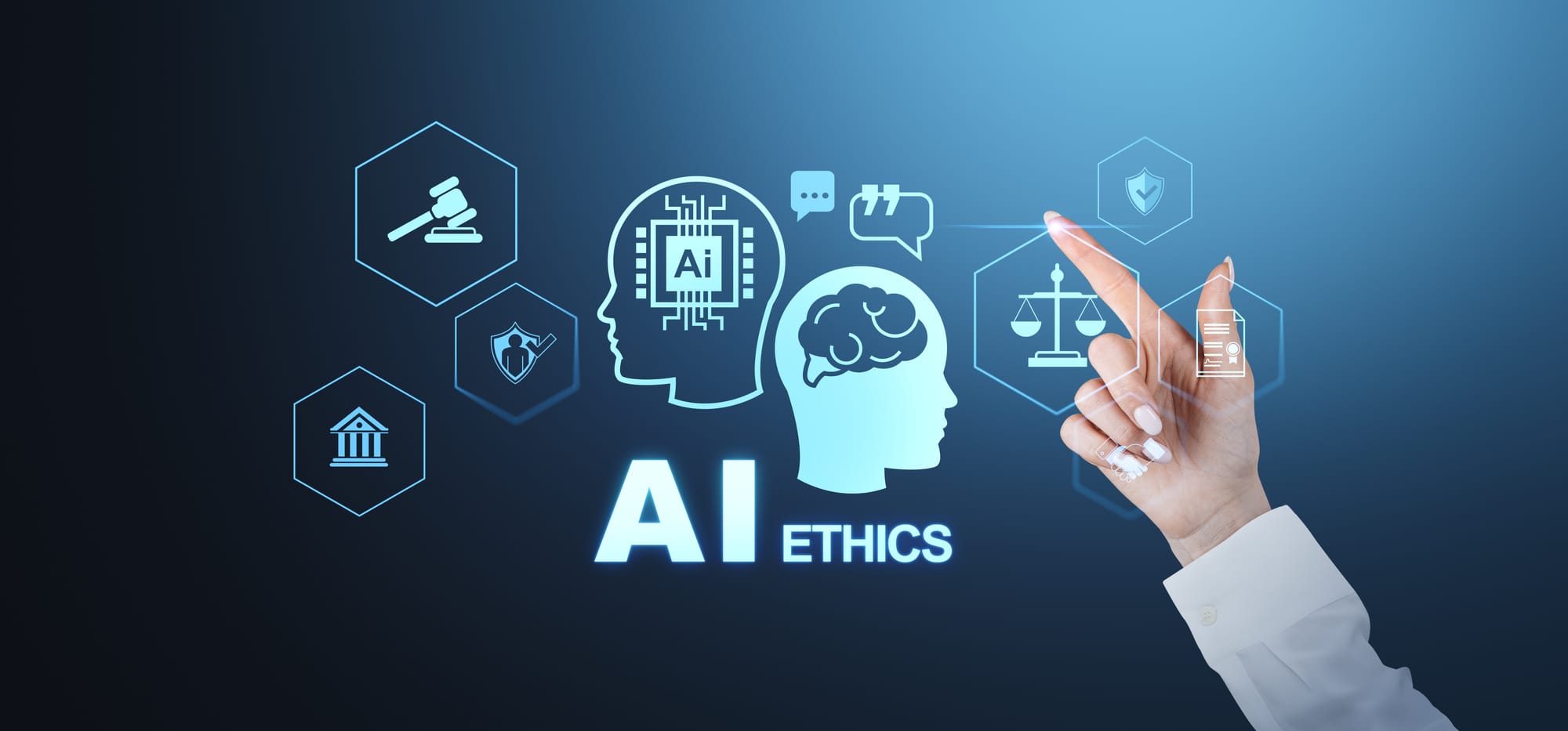
Artificial Intelligence (AI) represents the greatest technological revolution of our century. While it promises to solve global challenges, it also raises profound questions about the nature of intelligence, labor, and human rights.
1. Definition and Operation
AI isn't a single piece of software, but a branch of computer science that develops systems capable of performing tasks that would otherwise require human intelligence: learning, reasoning, problem solving, and language understanding. At the heart of modern AI is machine learning , where algorithms learn from data rather than following rigid instructions.
2. The Benefits: A Boost for Humanity
- Medicine and Research: AI can analyze thousands of radiological images in seconds with precision superior to the human eye, or predict the structure of proteins to create new drugs.
- Sustainability: Optimize energy networks and help monitor climate change through satellite data analysis.
- Productivity: Automates repetitive and bureaucratic tasks, allowing humans to focus on creative and strategic activities.
- Accessibility: Real-time translation tools and voice assistants break down linguistic and physical barriers for people with disabilities.
3. Ethical Risks and Social Challenges
The rapid development of AI has outpaced our ability to regulate it, raising critical dilemmas:
- Bias and Discrimination: If the data used to "train" the AI contains human biases (racial, gender, etc.), the algorithm will replicate and amplify them (e.g., in personnel selection systems).
- Privacy and Surveillance: Facial recognition technologies pose serious risks to civil liberties if used for mass surveillance without consent.
- Disinformation (Deepfake): The ability to create fake video and audio that is indistinguishable from reality threatens the integrity of information and democracies.
- Impact on Jobs: While it is creating new professions, AI threatens to replace millions of jobs, requiring massive reskilling.
- Black Box: We often don't know why an AI makes a certain decision, making it difficult to establish liability in the event of errors (e.g., self-driving car accidents).
4. Towards an Ethical AI: The Anthropocentric Approach
To mitigate risks, the international community (such as the EU with the AI Act) is working on guidelines that put humans at the center. Ethical AI must be:
- Transpar